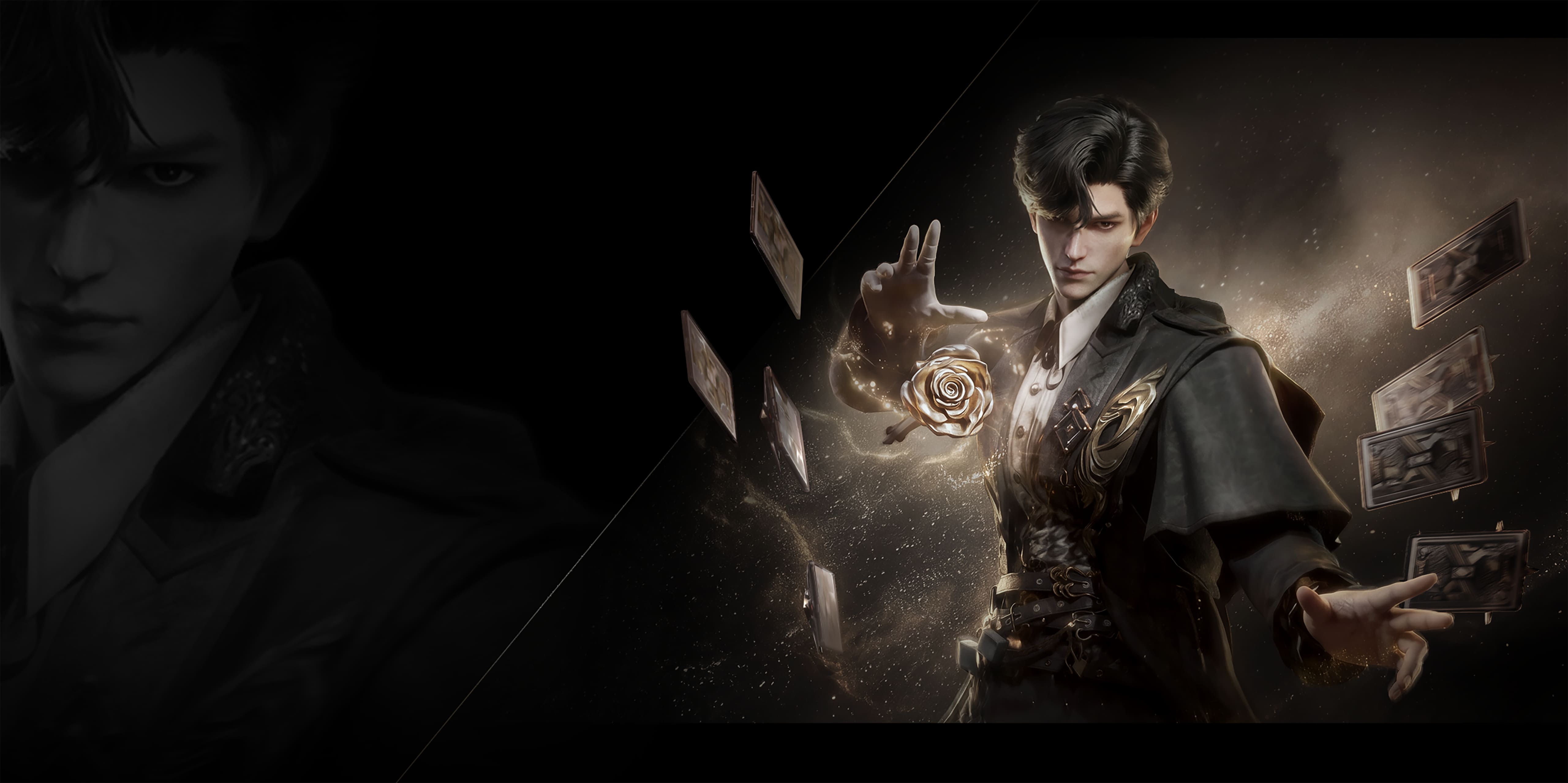
WeChat Feature
Gray Fog Test Hands-On: A Western Mysticism MMO Beyond Wuxia
《诡秘之主》灰雾测试体验报告:“江湖”之外,走进一个西幻MMO新世界
Erbing's Gray Fog Test report frames Lord of Mysteries as one of the most influential Chinese web-novel IPs in recent years, now moving from novel and animation into a large MMORPG adaptation.
The article's central argument is that the game does not simply follow the common Chinese MMORPG routes of wuxia or xianxia. By using a European-style mysticism world, Victorian Tingen, Pathways, Sequences, and UE5 scene presentation, it tries to become a more recognizable Western fantasy MMO.
At the same time, the article treats the game as a real MMO rather than only an IP showcase: dungeons, world bosses, multiplayer battlefields, home systems, guild activities, arena modes, and long-term progression all remain part of the structure.
For current player context, see the Pathways, Sequences, and Potions guide.
Original Story After the Novel Timeline
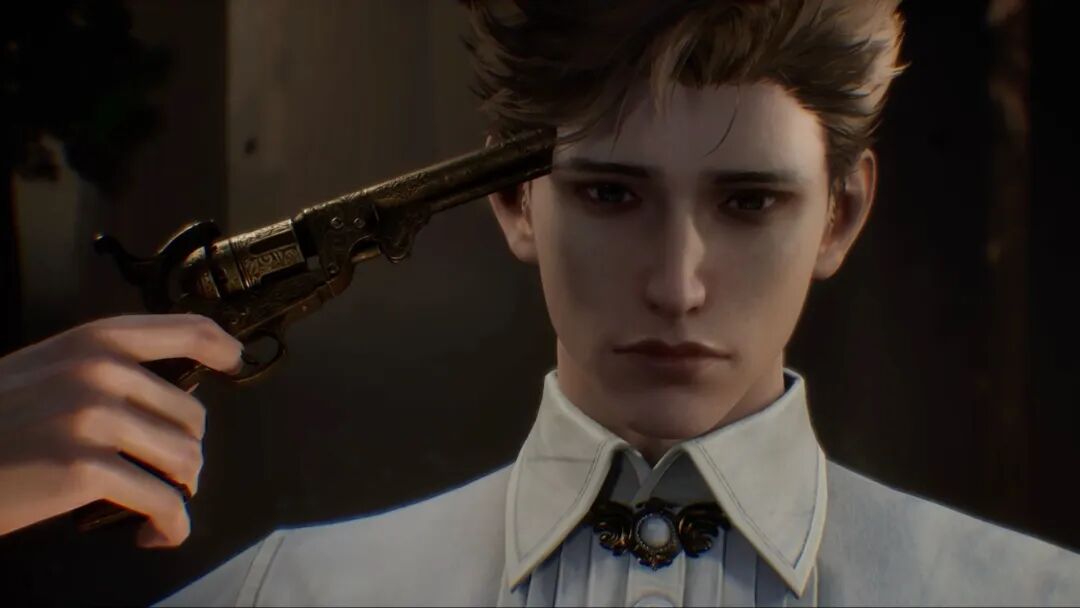
The game does not directly retell Klein Moretti's original story. Instead, it is set two years after the novel's ending and begins with a new scenario.
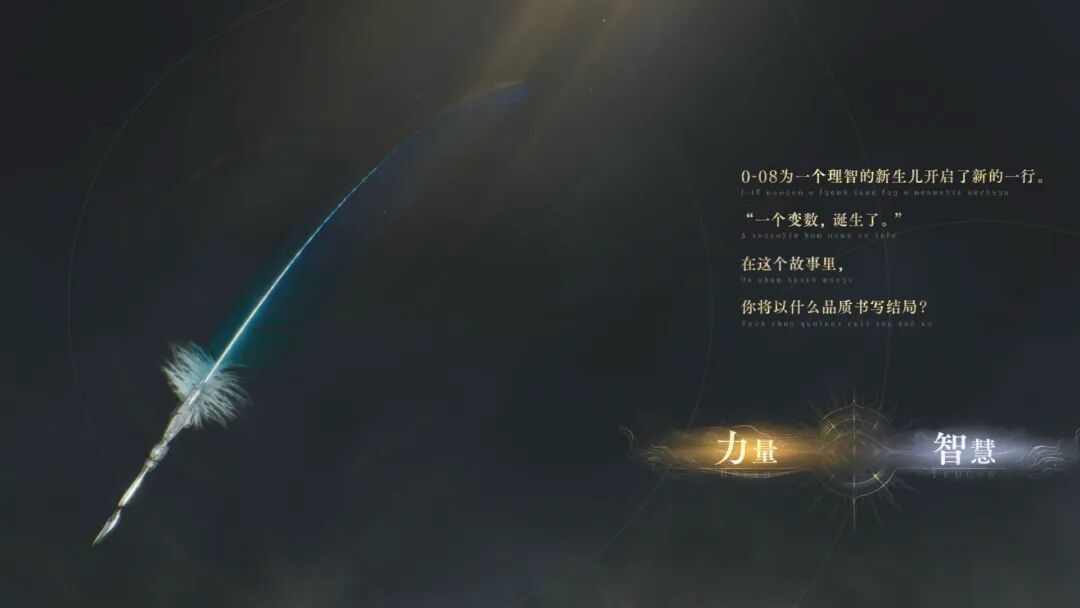
The player character appears at the moment of a twentieth death, then reads a mysterious notebook and actively ends their own life, beginning a twenty-first loop. The opening leans into a Lord of Mysteries tone: it does not explain the world immediately, but throws the player into death, reincarnation, unknown identity, and unresolved mystery.
This original timeline lowers the entry barrier for new players. Concepts such as Pathways, Sequences, Beyonder abilities, The Fool, Tingen, and Hermes are introduced through story and quests instead of being dropped on the player all at once.
Tingen as a Victorian Mysticism City
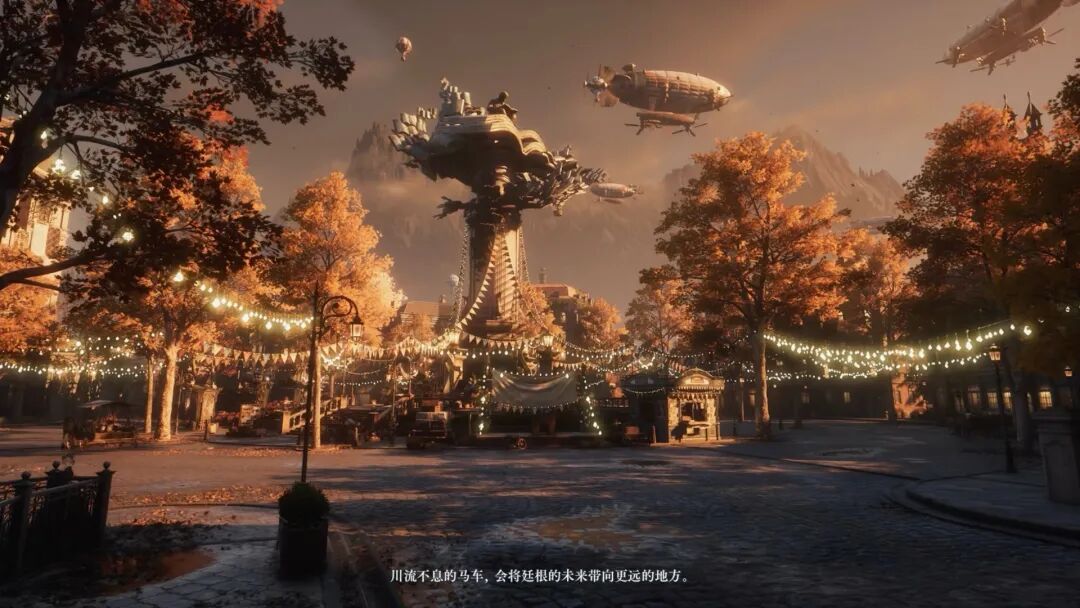
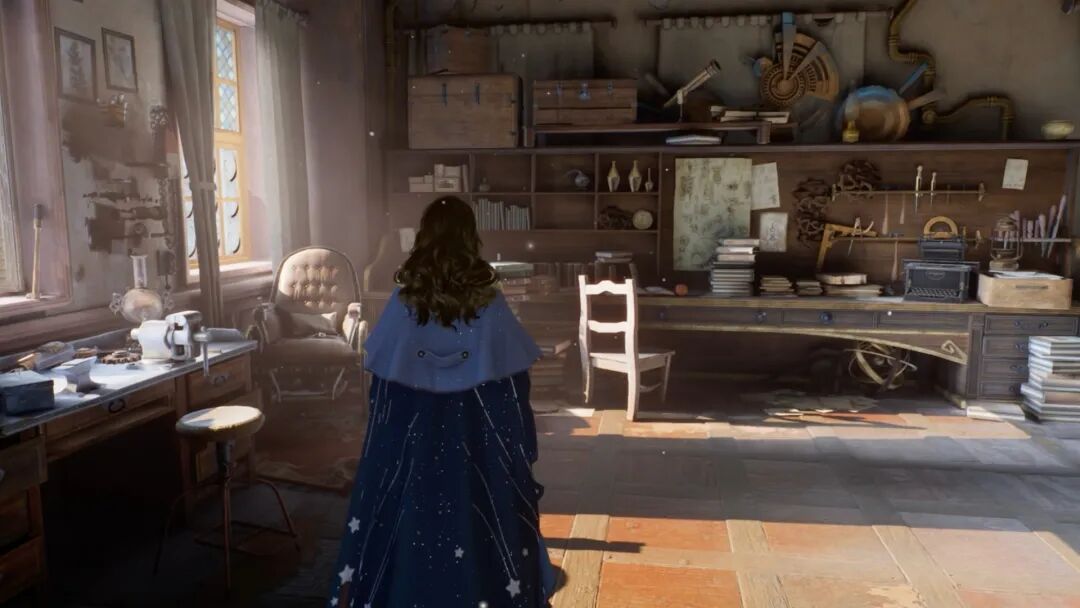
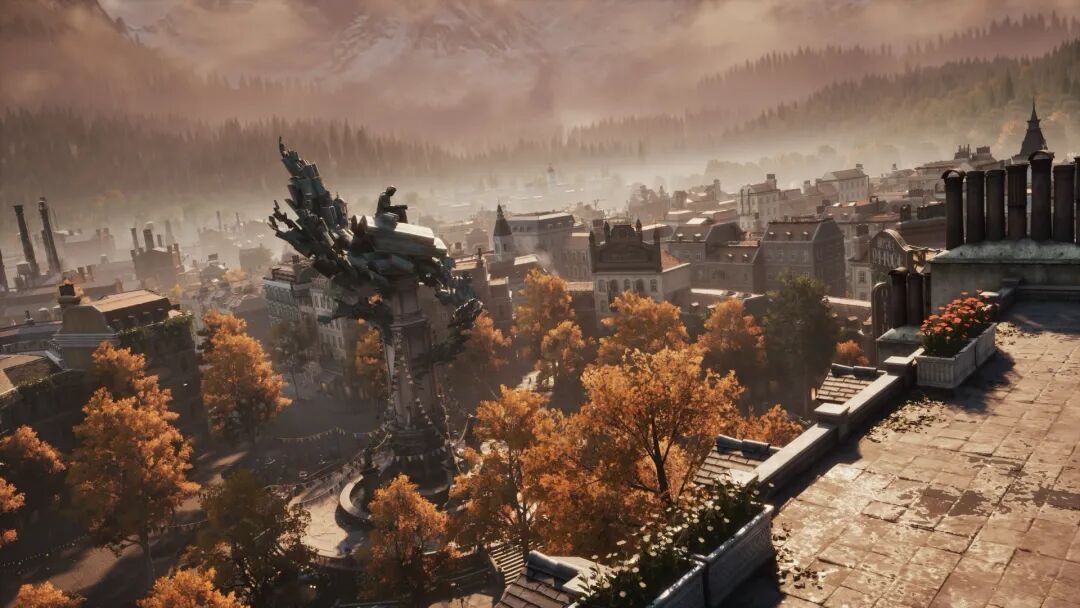
The report says the first major impression comes from the world itself. Tingen is not built as a Chinese martial-arts market, xianxia mountain, or oriental fantasy city. It is a European urban space shaped by gas lamps, rows of brick-and-stone buildings, gloomy sky, and people moving through Victorian streets.
Exploration is not only about opening chests, unlocking teleport points, or collecting resources. Players investigate clues in taverns, move through residential districts and factories, speak with NPCs of different identities, and see the city's mood change between day and night.
By day, parts of Tingen can appear orderly. At night, danger and unease become stronger. The article notes that Lord of Mysteries wants players to slow down and learn the world through investigation, small events, and side stories rather than only rushing objective markers.
The author still calls the progression structure traditional in places, because many goals are directly marked and guided by quests, but the setting already gives the game a different identity from the long-running wuxia and xianxia comfort zone.
Character Creation and Broad MMO Content
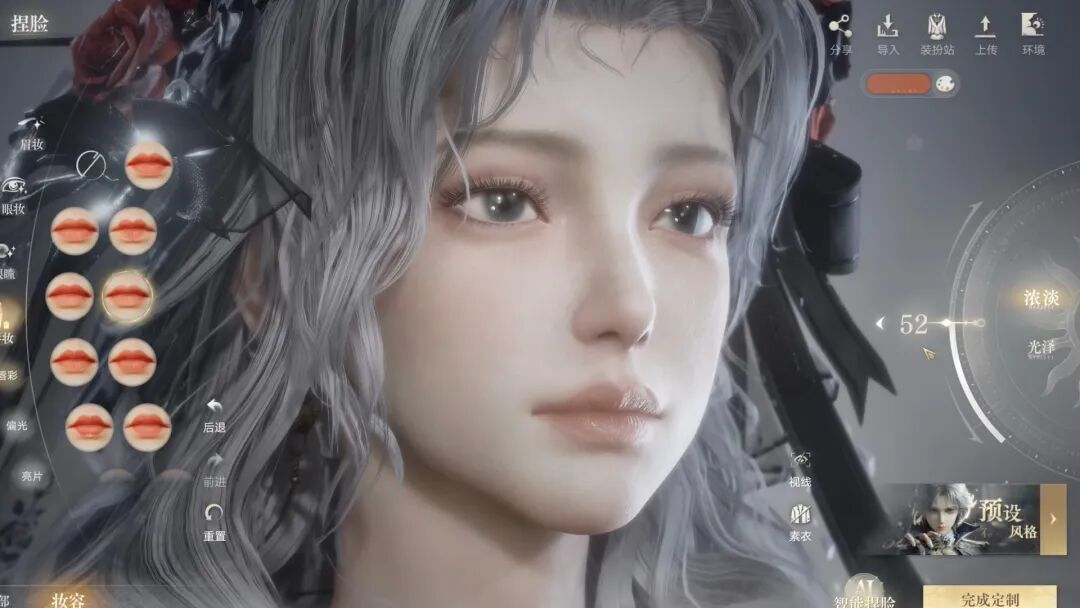
Character creation offers six different profession-style choices. Male and female characters affect appearance only, not attributes. The report also notes a relatively flexible face-creation system, enough preset templates, and quick adjustment tools that feel close to camera-style visual filters.
Compared with many Chinese fantasy MMORPGs, Lord of Mysteries leans toward Victorian European facial features, makeup, clothing, and overall temperament. The article says this helps the character-creation phase feel like part of the game's world rather than a detached cosmetic tool.
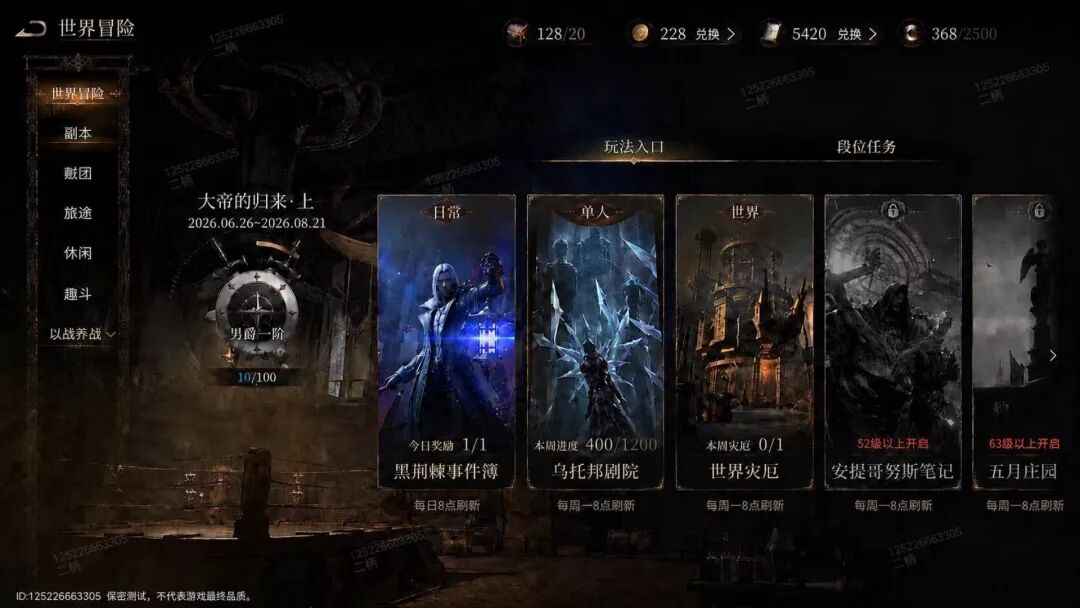
The build shown in the Gray Fog Test includes a wide range of MMO content beyond the main story: dungeons, tabletop-style play, world exploration, home management, railroad trade, world bosses, arenas, guild activities, and large-scale faction systems planned for later.
The report stresses that both PvE-leaning and PvP-leaning players can find routes, while seasonal rewards do not appear to force every player to complete every activity. That makes the current structure friendlier to casual players who want to play at their own pace.

Dungeon Mechanics and Utopia Theater
Instead of using only numerical progression in early dungeons, Lord of Mysteries tries to add small mechanics that match the setting. The beginner dungeon does not simply ask players to clear waves of enemies; combat is mixed with light interaction and exposure to the world's rules.
The report describes this as a modest but meaningful attempt to express mysticism through play rather than only pasting novel terminology onto skills and quests.
As the player moves forward, dungeon design starts to include more role cooperation, mechanic handling, and scene interaction. The Clown dungeon is highlighted as a later example that strengthens the mechanical experience compared with the beginner dungeon.
Another memorable mode is Utopia Theater, a Roguelike-style build mode. Early runs are slower before abilities come together, but as in-run upgrades stack, characters gain new attacks and special effects. Different abilities create chain reactions, making each run's growth route feel less repetitive.
Traditional MMO Systems With Lord of Mysteries Flavor
The article is clear that Lord of Mysteries does not avoid the traditional MMO framework. Auto-pathing, equipment growth, Sealed Artifact development, contacts, dungeons, world bosses, and guild activities are all familiar systems for MMO players.
The difference is that the team tries to place original IP ideas inside those systems. Skill casting can use Hermes chanting, different Pathways carry different abilities, some professions can use their own powers for special interactions, and systems such as Sealed Artifacts and contacts are tied back to the source setting.
The report argues that this connection matters. If later versions can turn more novel settings into playable mechanics rather than leaving them as text and icons, the game's identity will become stronger.
Multiplayer Content and Large-Scale Social Energy
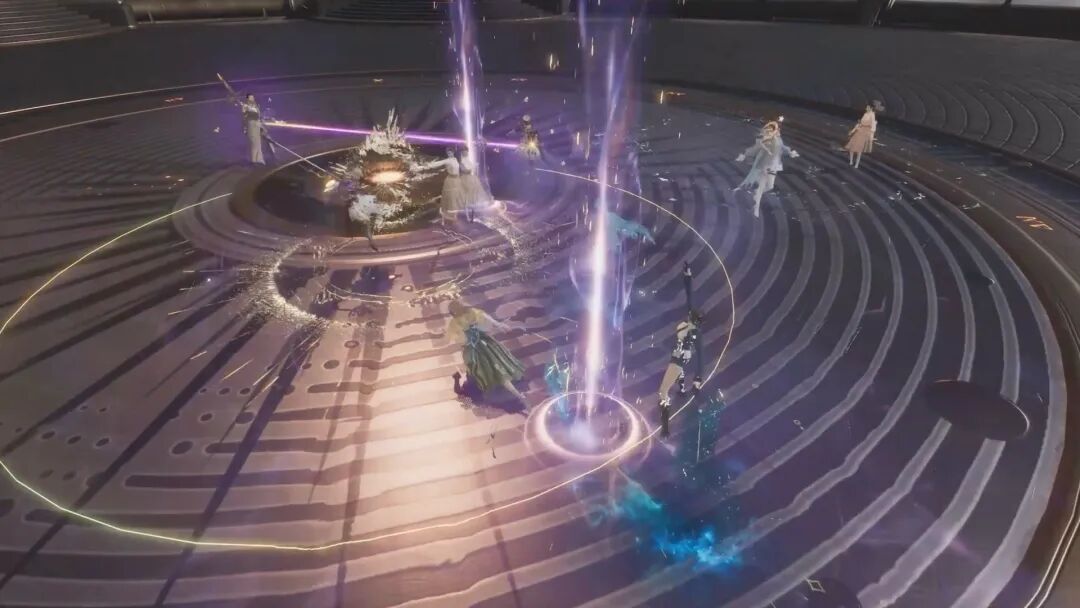
Multiplayer content remains a major pillar. From group dungeons and guild activities to large-scale faction warfare planned for future releases, the project appears to be trying to recover the lively feeling of older MMOs where players gather around shared events.
The report specifically notes that during the Gray Fog Test, performance with many players on screen was more stable than expected. World boss activities involving more than one hundred players still ran smoothly enough to support hope for larger faction-play modes later.
However, the article also warns that simply increasing player count is not the point. The next challenge is whether group content can connect deeply with Lord of Mysteries's factions, organizations, and power struggles instead of functioning as generic MMO activity.
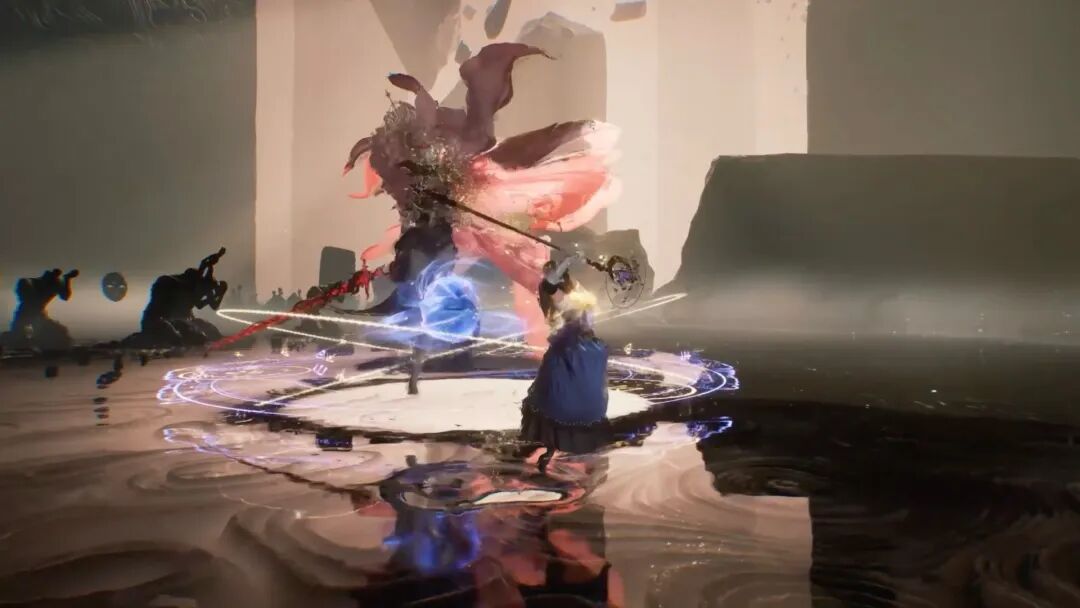
UE5 Visuals, Tingen Atmosphere, and Combat Feedback
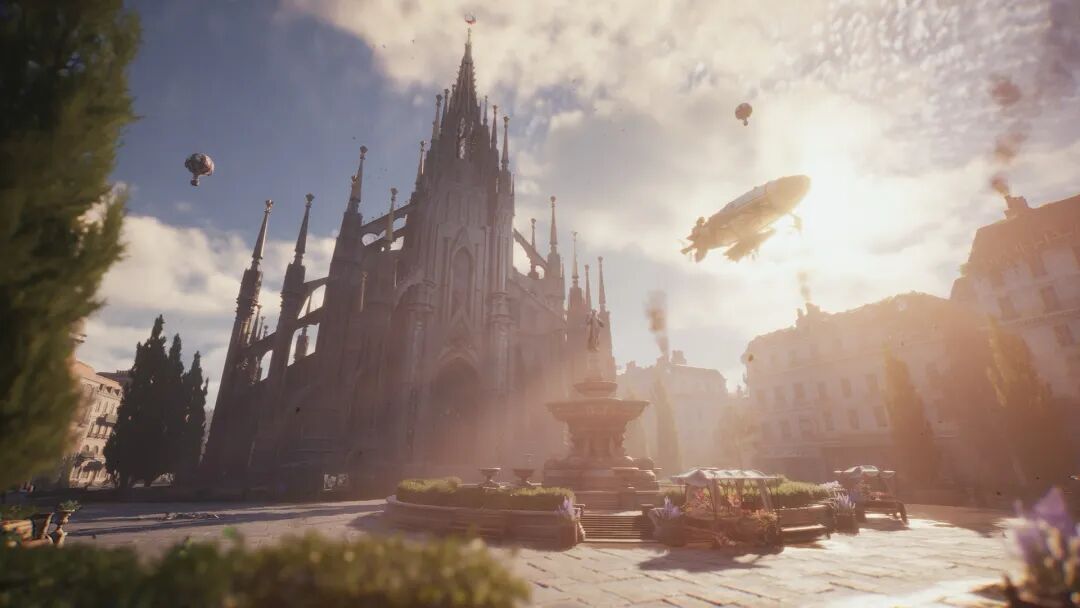
The strongest first impression is still visual presentation. High churches, gas-lit streets, gloomy sky, and mysterious buildings give Tingen a clear city personality, while UE5 lighting, vegetation, and environmental rendering strengthen the atmosphere.
The article says the phrase 'European-style ancient mysticism' is no longer only marketing language when players can feel it through streets, interiors, missions, and realistic environmental art.
The current build is not fully mature. Environmental presentation is stronger than character presentation. Character models, movement detail, some cinematic staging, and asset quality still need improvement, especially in close-up dialogue and action scenes.
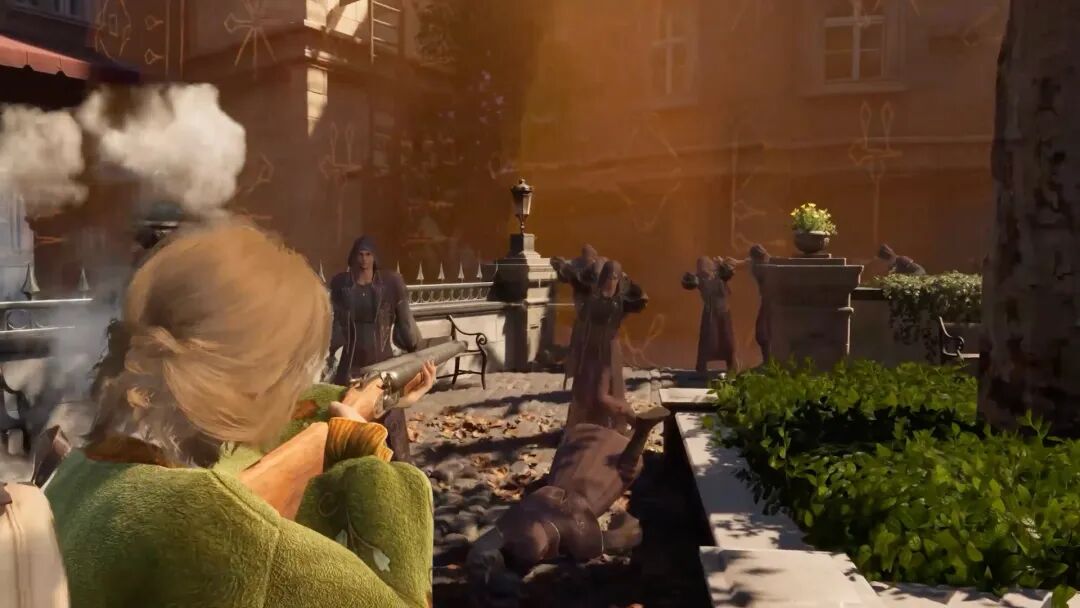
Combat is closer to conventional MMORPG design, built around skill cooldowns, positioning, and team cooperation. Dungeon mechanics ask players to handle boss skills and interactions instead of only standing still and dealing damage.
Skill effects are visually rich and Pathway styles are distinct, but movement links and hit feedback still need more weight. The report especially mentions that some ranged professions can feel light during mobile casting. Future improvements in class balance, animation, and combat feel would make the game more complete.
Test Conclusion
The report concludes that this second large-scale test proves Lord of Mysteries is not simply placing the original novel inside an MMO shell. It is trying to integrate Pathways, Sequences, Sealed Artifacts, mysticism, organizations, and faction conflict into a multiplayer online world.
Its strongest current points are world atmosphere and content framework: Tingen is recognizable, and the amount of playable content is enough to support a large test. The areas that still need work are deeper integration between gameplay and IP rules, combat feedback, animation, system details, and long-term experience.
For overseas players following the game from outside China, this article is useful because it describes Lord of Mysteries as a Western fantasy MMORPG that is beginning to move beyond familiar Chinese MMO themes, while still needing later tests to prove whether its fresh subject matter can become durable gameplay.